Freehold, NJ · Garage Door Service
Morganville homes mostly went up around 1992, later than the rest of the Freehold coverage area, which means a different roller and track setup. Freehold Garage Door Pros comes 8 miles to fix it.
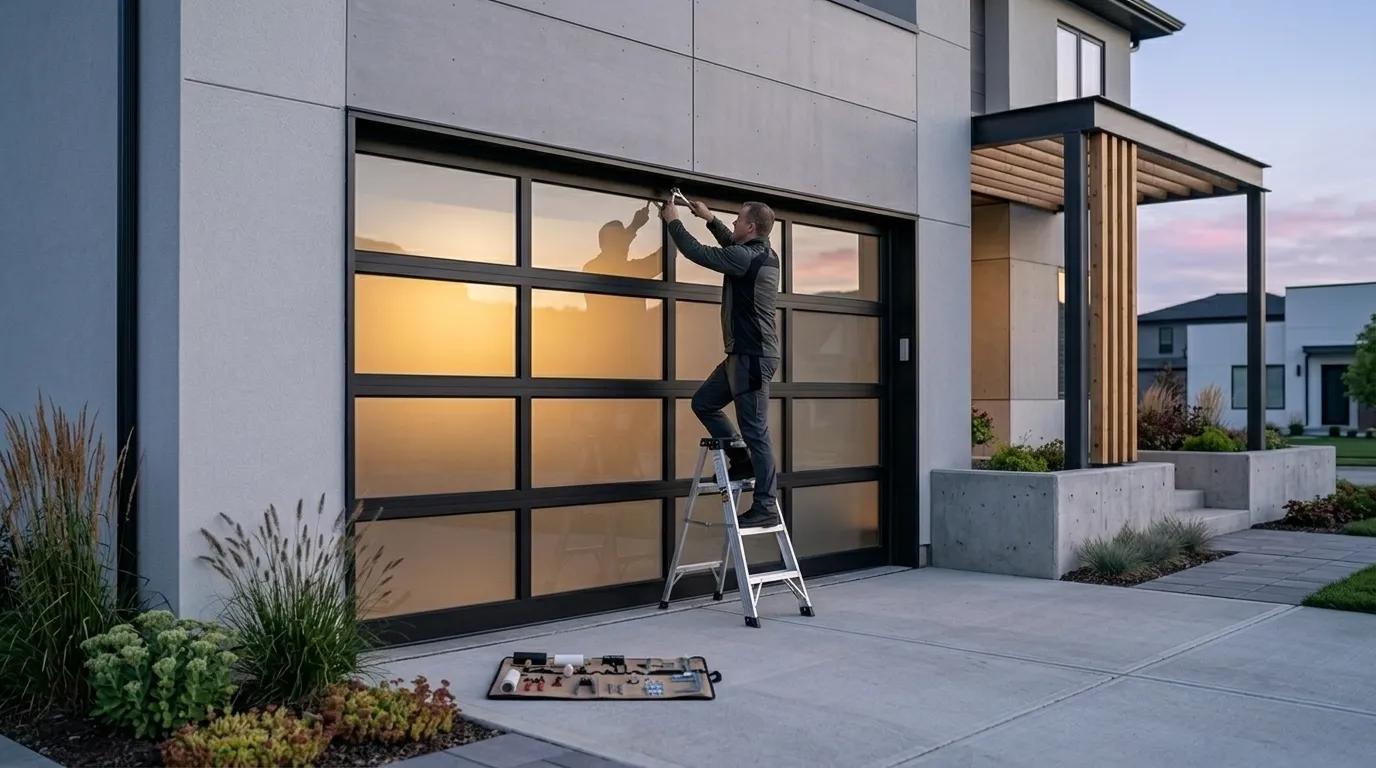
Most of Morganville was built around 1992, which puts it noticeably later than the 1966 median build year across the rest of the towns we cover out of Freehold. That gap matters here. A door installed in the early '90s usually still has its original nylon or steel rollers, because nothing else on the door has failed hard enough to force a full swap. The stem, the roller wheel, and the bracket riding in the track are almost always the original parts from the build, just worn down by three decades of daily openings.
Replacing rollers means pulling the door section by section, backing the roller stem out of its bracket, and setting in a new wheel and stem assembly - nylon with sealed bearings for a quiet ride, or steel where the door sees heavier daily use. We check the track alignment at the same time, because a roller wearing unevenly is often a symptom of a track that's shifted slightly out of plumb over the years, not just a worn part on its own.
We don't replace rollers we haven't actually inspected. If the track itself is bent or the hinges are cracked, we say so before we quote the job, not after.
A straightforward roller replacement on a door of this era, where the track is still true and the hinges are sound, runs about the time it takes to pull each section, swap the roller, and re-seat it in the track - most jobs like this finish in under two hours once the truck is on site. Doors from Morganville's 1992-ish build year tend to go faster than older stock elsewhere in the area, since the brackets haven't rusted into place the way they do on doors from the 1960s and 70s housing that makes up much of the rest of this service area.
Where it slows down is if a roller has seized in its bracket and won't back out clean, which happens more on steel rollers that have gone years without any lubrication. We carry the tools to cut a seized stem free without damaging the track, but that adds time to the job. We'll tell you on site if that's what we're looking at, rather than guess over the phone.
We come out from Freehold, about 8 miles from Morganville, so there's no local branch or drop-in counter here - just a truck that makes the drive for the appointment you set. Give us the door's approximate age and what you're hearing (grinding, a section that jumps, a door that shudders on the way up) and we can usually tell you over the phone whether this is a roller job or something else, like a spring or an opener issue that just sounds similar.
We don't stock a Morganville-specific inventory separate from what's on the truck, so what we bring depends on what you tell us ahead of time about the door - track width, panel count, and whether it's steel or nylon rollers currently in there.
For doors built in the early '90s window that covers most of Morganville, we carry nylon rollers with sealed ball bearings as the standard replacement - quieter than the steel rollers that came stock on a lot of doors from that period, and they don't need the periodic lubrication steel rollers do. We also carry steel rollers with bearings for households that want the heavier-duty option, particularly on doors that get opened more than the average two or three times a day.
We carry standard 4-inch and 2-inch stem lengths on the truck, which covers the great majority of doors from this build era. What we don't carry is every custom stem length ever made - if a door has a nonstandard track or a stem length outside the common range, that may mean a short wait on a part rather than a same-visit fix. We'd rather tell you that up front than have you wait on site not knowing why.
The climate here is a real factor. This area sits in a cold, severe winter climate band, and cold makes roller bearings and lubricant stiffen up, which is part of why a roller that was fine in September starts grinding in January. On a door from the early '90s, thirty-plus years of that seasonal cycle is enough to dry out factory grease and pit steel roller wheels, even without heavy daily use.
The other risk is that a bad roller gets ignored long enough that it starts chewing into the track itself, scoring the inside rail where the wheel rides. At that point you're not just replacing a roller, you're replacing a section of track too, which is a bigger job and a bigger bill. Catching it early - at the first grinding sound or the first section that hesitates going up - keeps this a roller-only job instead of a track job.
On a door from Morganville's build era, a failing roller usually announces itself as a grinding or squealing sound concentrated at one point in the door's travel, right where that particular roller crosses the curved section of track. You might also notice one side of the door lagging slightly behind the other as it opens, or a faint shudder partway up that wasn't there a year ago.
This is different from what shows up on the area's older 1960s and 70s housing stock, where original one-piece doors on side-mounted hardware tend to fail at the hinge or the panel seam before the roller goes. Doors from the early '90s were built with better sealed hardware to begin with, so when a roller does go here, it's almost always the bearing seizing up or the nylon wheel cracking from age and cold, not the whole roller assembly falling apart at once.
Often yes, longer than you'd expect - houses here mostly date to around 1992, later than most of the surrounding area, so original rollers have had fewer years of wear than on older stock nearby. But thirty-plus years in a cold climate still dries out lubricant and pits steel wheels, so grinding or shuddering at this age isn't unusual.
We come from Freehold, about 8 miles away. There's no local branch in Morganville, so we schedule the appointment and send the truck out rather than offering a walk-in counter.
Not always. Grinding concentrated at one spot in the door's travel usually is the roller, but a shudder through the whole motion can point to the track or the opener instead. Tell us what you're hearing and we can usually narrow it down before the truck arrives.
Usually, yes - rollers are one of the more isolated repairs on a garage door. The exception is if a worn roller has already scored the track, in which case the track section may need replacing alongside the roller.
Call now or request a free quote - same-day service on most repairs, upfront written pricing.
