Freehold, NJ · Garage Door Service
Worn rollers on Freehold's 1960s-70s housing stock bind in cold weather and grind tracks. Freehold Garage Door Pros replaces them right, the first time.
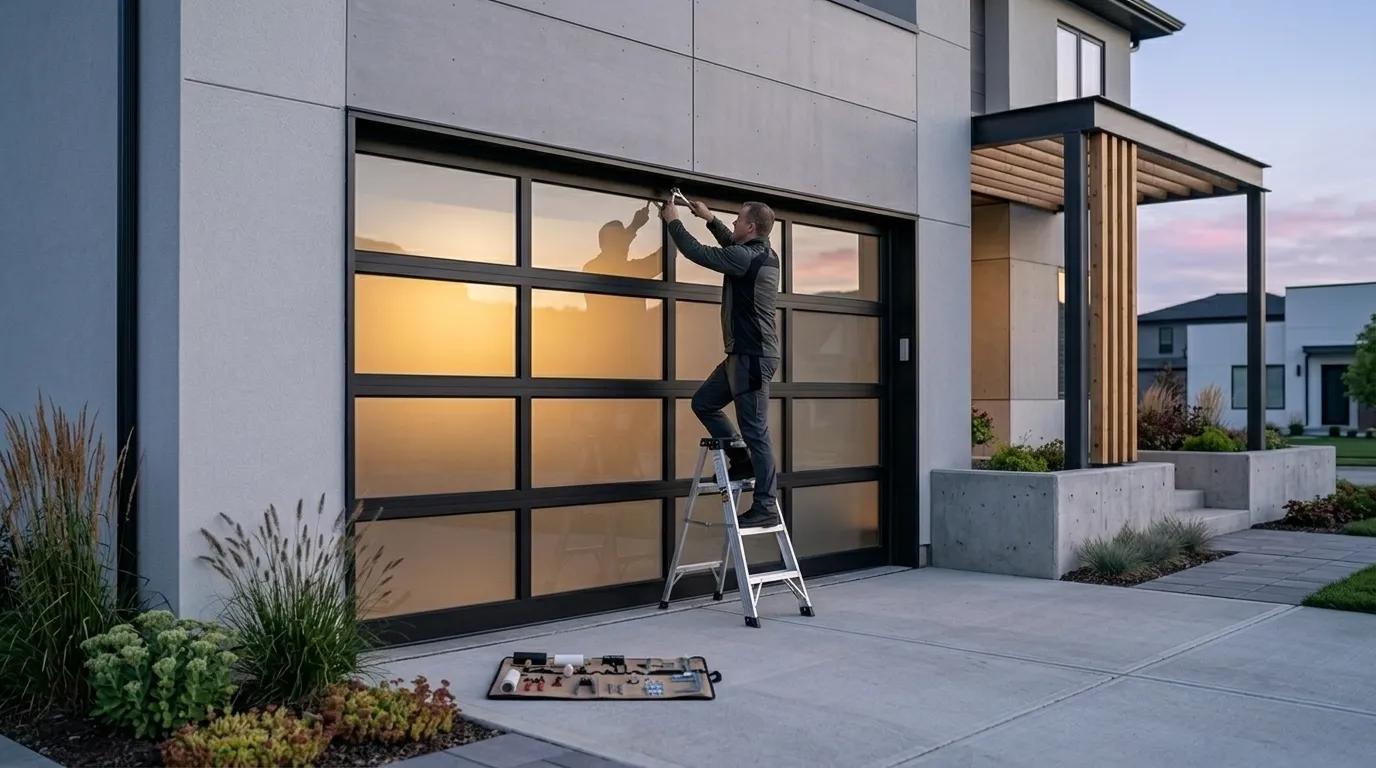
Roller replacement sounds simple and mostly is, but doing it right means more than snapping new wheels into old brackets. We pull each roller, check the stem for wear against the bracket hole, and look at the track itself for the flare or dent that a bad roller usually leaves behind. On a lot of the doors we see around here, the brackets are original to a house built decades ago, and the track has been reshaped slightly by years of a roller that was already grinding instead of rolling.
We replace the full set, not just the two or three that look bad, because rollers wear together and a fresh one next to three worn ones just shifts the load. Depending on what's on the door, that's nylon rollers with sealed bearings, or steel rollers if the door and hardware call for it. If a bracket is bent or a section of track is scored deep enough to catch a new roller, we swap that piece too - putting a new roller into a damaged track just buys you another service call in six months.
We also check cable alignment and hinge condition while the door is apart, since a roller job is the easiest time to catch a hinge that's about to go. That's not upselling - it's just what's already exposed once the panels are off the track.
Most calls start the same way: a grinding or popping sound every time the door moves, usually worse on one side. Some owners describe it as a shopping-cart wheel sound, on and off as the door travels the track. Others notice the door catching or jerking at the same spot every time, which usually means one roller has flattened or cracked and is dragging instead of turning.
In Freehold's colder months this gets worse fast. Steel rollers that were already worn tend to seize harder once grease inside the wheel thickens in low temperatures, and a door that was merely noisy in October can be genuinely hard to lift by January. Nylon rollers crack rather than seize, and a cracked roller under load can shed pieces into the track, which is when a manageable noise turns into a door that won't close square.
A lot of owners wait through a full winter of noise before calling, because the door still opens. That's the wrong read - a roller that's grinding is putting extra load on the opener and the track brackets every single cycle, and those parts aren't built to carry it for long.
A standard roller replacement on a single door, done with the truck stocked and no surprises in the track, runs under two hours on site. Double doors with two roller sets and more hardware to check take longer. If a bracket has to be replaced or the track needs a section swapped because of gouging, add time for that specific repair rather than assuming it's built into a standard visit.
We don't quote roller jobs sight unseen over the phone beyond a rough range, because the honest answer depends on what's happened to the track and brackets - and on houses in this area with original 1960s and 70s hardware, that varies a lot door to door. One limitation worth saying plainly: if the track itself is bent along a long stretch rather than just scored at one spot, roller replacement won't fix the underlying problem, and we'll tell you that instead of billing for parts that won't solve it.
Housing across this service area was mostly built between 1938 and 2005, with a lot of it concentrated in the 1960s and 70s, and that generation of garage doors leaned on steel rollers with minimal sealing against grit and moisture. Those wheels do fine for years, then wear out roughly on schedule - which means a large share of doors in the towns we cover are hitting original-roller failure age around the same time, not because of any one bad batch but because they were installed in the same decade.
Add the climate here, which runs cold and severe enough that grease inside an aging roller bearing stiffens every winter, and you get a wheel that's already marginal getting pushed past its limit exactly when heating bills are highest and nobody wants to fight a stuck door in the driveway. Doors on original hardware from that build era, running in this climate, are simply more likely to need rollers than a door installed in the last ten years with sealed nylon wheels from the start.
This is a service-area pattern, not a one-street problem - it shows up the same way whether the house sits near East Freehold, out toward Colts Neck, or further out past Englishtown, because the housing age and the winters are consistent across that whole stretch.
If the noise happens at the same points on the track every cycle and the opener runs fine on its own (you can hear the motor without straining), it's almost always the rollers or the hardware they ride in, not the opener itself. An opener problem usually sounds electrical or shows up as the door stalling regardless of position.
You can, but rollers wear as a set. Leaving three worn wheels next to one new one just shifts the load onto the older ones faster, and you're likely calling again within the year. We replace the full set on most jobs unless the door is new enough that only one or two are actually worn.
Yes. In a climate this cold, grease inside an aging steel roller bearing thickens, which makes a wheel that was already marginal seize or drag harder. A door that's merely noisy in fall can become genuinely hard to lift by mid-winter as that grease stiffens further.
No. If the track itself is bent along a stretch rather than just scored at one spot from a bad roller, new rollers won't solve it - the door will still bind or run unevenly. That's a separate repair, and we'll tell you if that's what we're looking at before billing for parts that won't fix the actual problem.
By Neighborhood
We also handle roller replacement in these Freehold-area suburbs.
Call now or request a free quote - same-day service on most repairs, upfront written pricing.
