Freehold, NJ · Garage Door Service
Yorketown homes built around 1970 wear out steel rollers fast in New Jersey winters. Freehold Garage Door Pros drives 5 miles to replace them, nylon or steel.
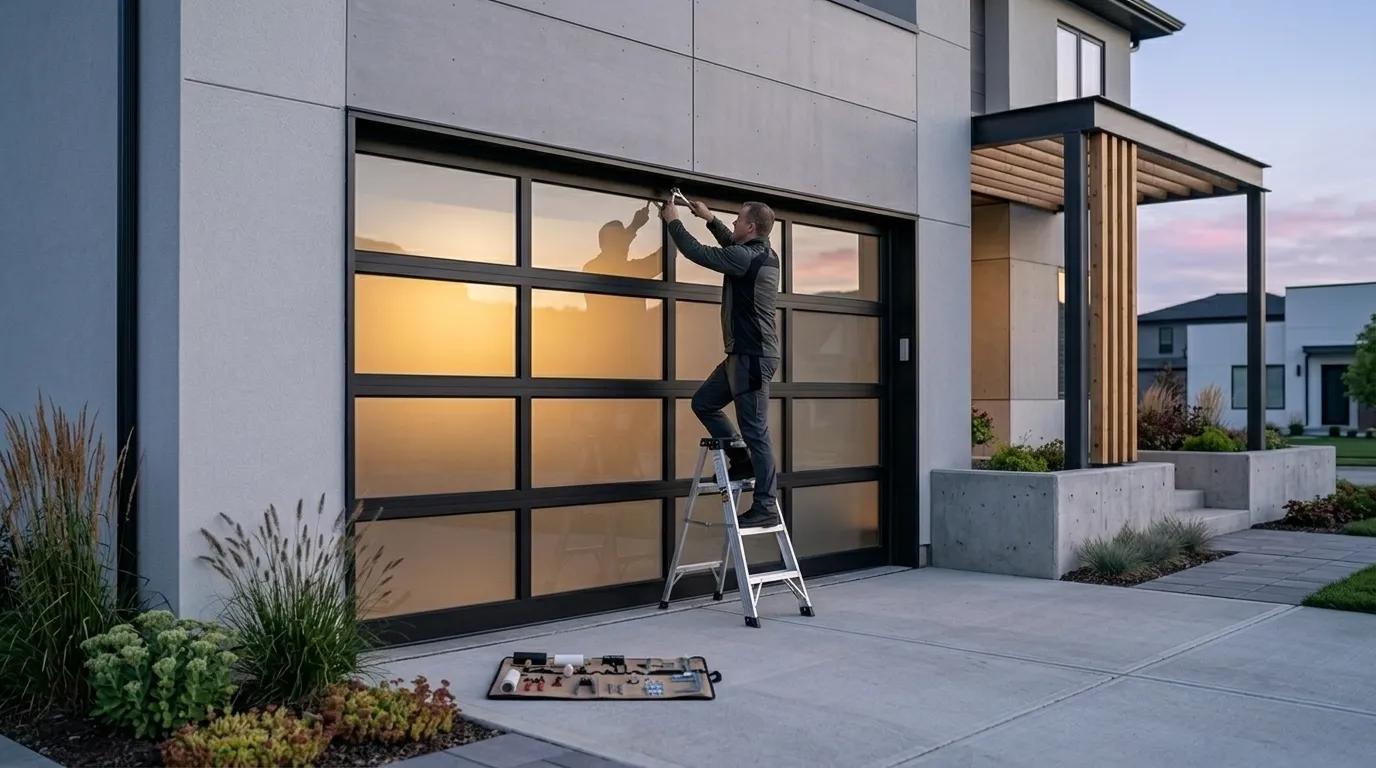
Yorketown counts about 2,205 households, a small enough footprint that a roller job here is one call on the schedule, not a queue. Most of the houses went up around 1970, which puts the original garage doors squarely in the same era: steel rollers on plain-bearing stems, the kind that got noisy and started skipping in the track a decade or two back. We drive the five miles from Freehold for these jobs, so there's no separate branch or crew stationed in town - just the same truck that handles the rest of the coverage area, routed out for the call. Because the town is small, we're not doing this job on a fixed loop the way we might in a denser stretch. It gets scheduled the same as any other Freehold-area call, which means the honest answer on timing is: it depends on the day, not on the zip code. What doesn't change is the hardware once we get there - a 1970-built door has predictable roller sizing, and that predictability is what lets us bring the right parts on the first trip instead of guessing.
For a house built around 1970, the stock roller is usually a 2-inch steel wheel on a plain bearing, sized for the narrower track gauge that era of door used. We carry replacements for that setup two ways: galvanized steel rollers with sealed ball bearings for owners who want the closest match to what's already there, and nylon rollers with the same bearing upgrade for anyone who wants quieter operation and less wear on the track. Both come in 7-ball and 10-ball bearing counts, matched to door weight rather than door age. New Jersey's cold-climate band is a real factor for steel: the metal contracts in a hard freeze, the bearing grease stiffens, and a roller that ran fine in October starts grinding by January. Nylon doesn't transmit cold into the bearing the same way, so it tends to hold up better through that swing. One limitation worth saying plainly: we don't carry every stem length on the truck. Some doors from the 1960s-70s stock use a longer stem than what's common now, and if that's what's on the door, it's a short-order part rather than a same-visit swap.
On a door that's been running its original 1970s-era rollers for this long, the wear shows up in the track before it shows up in the roller itself. A plain-bearing steel roller that's lost its coating grinds a groove into the track rail, and once that groove is deep enough, a brand-new roller still hops and rattles in it no matter how good the roller is. That's the case where roller replacement alone doesn't fix the noise - the track needs attention too. Cold makes the existing wear worse before it makes anything better: steel rollers that are already dry on the bearing seize hard on the first real freeze, and a door that was merely noisy in the fall can stop moving altogether once temperatures drop. Cracked nylon rollers are the other pattern we see on doors this age, usually from an earlier repair that used an unsealed roller not rated for the swing between a warm afternoon and a cold night. None of this is unique to one house - it's a function of how long a plain-bearing steel roller lasts once installed on a door from this build era, and that clock has mostly run out by now.
A straightforward roller job means pulling the old set - all ten to twelve rollers depending on door height - and swapping in matched replacements, checking each track section for the kind of groove wear described above as we go. If the track is still clean, the new rollers go in, get lubricated, and the door gets run up and down a few times to check for binding before we call it done. If the track shows the deep grooving that comes from years of steel-on-steel wear, rollers alone won't quiet the door down, and that's the point where we tell the owner plainly that a track swap is the actual fix, not an upsell. We don't replace track we haven't inspected in person, and we won't sell a full roller set on a door where the spring or the opener is the real source of the noise - that's a different job. On a 1970-built door, the rollers are usually the first thing to fail, but they're not always the only thing, and saying so up front is worth more than a fast yes.
Rollers usually announce themselves with grinding or rattling as the door moves, especially in cold weather, while the door still opens under power without much resistance. A spring problem tends to show up as the door feeling heavy, opening unevenly, or not moving at all when the opener strains. If the noise is loudest right where the roller meets the track, it's almost always the roller.
Often, yes - that's the most common repair on doors from that build era. But if the old steel rollers have worn a groove into the track rail, new rollers alone won't quiet things down; the track needs to be checked and sometimes replaced. We look at the track before quoting the job so there's no guessing.
Standard steel and nylon rollers in common stem lengths are stocked on the truck. Some older doors use a longer stem that isn't common stock, and if that's what's on the door, it becomes a short-order part rather than a same-visit fix.
About five miles from Freehold. There's no separate branch in Yorketown - the same truck that covers the rest of the area routes out for the call, scheduled like any other job in the coverage area.
Call now or request a free quote - same-day service on most repairs, upfront written pricing.
