Freehold, NJ · Garage Door Service
A guide for Freehold homeowners on replacing a garage door, tuned to the area's 1938-2005 housing stock and cold-climate demands. Local facts, no filler.
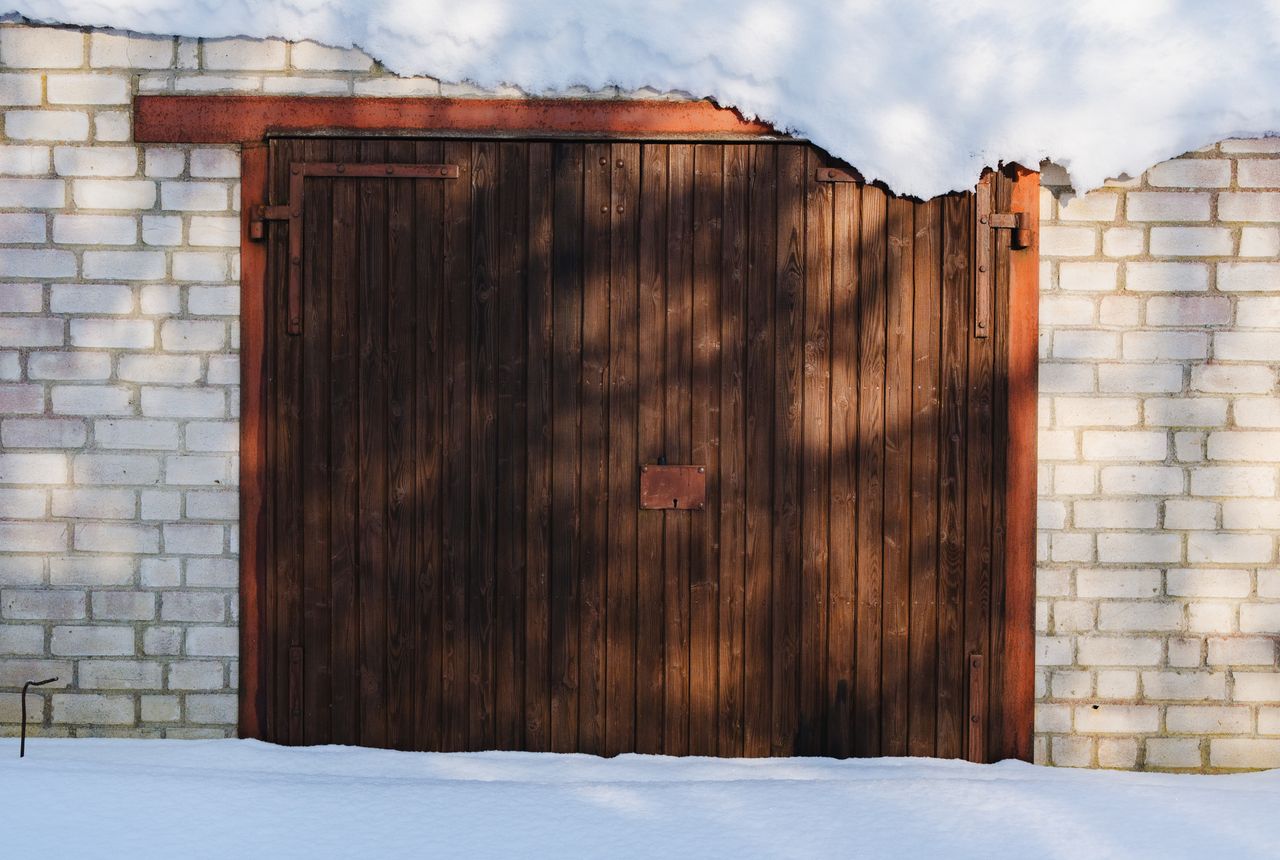
Most houses around Freehold went up between 1938 and 2005, with the bulk of that stock dating to the 1960s and 70s. That matters when you're shopping for a replacement, because a door built to fit a 1966-era opening doesn't always match what's on the shelf at a big box store today. Older openings in this area were framed to dimensions that have since drifted as manufacturers standardized sizes. You can end up needing trim work or a custom order just to get a modern insulated door to sit right in a frame that's older than most of the people driving past it. Add in the cold-climate demands here - Freehold sits in a severe cold band, which means winter swings that stress door panels, weatherstripping, and springs more than a mild-climate install ever would. A replacement door bought without checking your actual opening against your actual house era is a door you'll be fighting with by the second winter. This isn't a problem you can solve by picking whatever's cheapest or in stock. It's a measuring problem and a climate problem stacked on top of each other, and skipping either step costs you later.
Before you call anyone, measure your existing opening width and height, and check the date on your home if you know it or can find it in county records - houses from the 1960s and 70s common to this area often have openings that run narrower than what's sold as standard today. Look at the track and jamb: original hardware from that era is usually side-mounted torsion, which some newer door kits aren't built to match without an adapter. Check your weatherstripping and bottom seal too. In a severe cold climate like Freehold's, a gap you can see daylight through is a gap that's going to ice up and freeze your door to the slab some mornings. Open the door by hand with the opener disconnected and see how heavy it feels - a door that's hard to lift by hand has springs doing less work than they should, which will only get worse with cold-weather stiffening. None of this replaces a proper measure by someone doing the install, but it tells you whether you're dealing with a straightforward swap or a job that needs custom sizing because of how old the frame actually is.
The biggest mistake homeowners make here is assuming any door labeled for their opening size will actually fit their opening. With housing stock spanning 1938 to 2005 and median build year around 1966, the openings across Freehold and nearby areas like East Freehold, Yorketown, and Colts Neck vary more than people expect - a door that's a drop-in fit two streets over can need trim, jamb extensions, or a different track configuration on your specific house. The second mistake is buying on price alone and skipping insulation rating, which matters more here than in a mild climate because of the severe cold band this area sits in. An uninsulated or lightly insulated door will move more with temperature swings, and that movement is what eventually loosens hardware and strains an opener that wasn't sized for it. The third mistake is not accounting for the age of the surrounding hardware - a new door bolted to 50-year-old track brackets is a mismatch waiting to fail, even if the door itself is fine. I'll say plainly: not every old opening is worth saving. Sometimes reframing costs less over time than fighting an odd size year after year.
Freehold's cold band is severe, not moderate, and that changes what a replacement door needs to do beyond just opening and closing. Panel insulation, seal quality, and hardware rated for cold-weather contraction aren't upgrades here - they're what keeps a door from binding, cracking a seal, or straining an opener motor on the coldest mornings. Combine that with a housing stock that runs from 1938 up through 2005, median around 1966, and you get openings and framing that weren't built with today's insulated steel or composite doors in mind. A door bought without matching both the climate rating and the actual frame dimensions of a house from this era is a door you'll be adjusting every winter. This is true whether you're in Freehold proper or out toward East Freehold or Yorketown, where the same building period and the same cold exposure apply. There's no shortcut around measuring your specific opening and matching it to a door rated for this climate - anything less is a guess that the weather will eventually expose.
Not always. Houses here commonly date to the 1960s and 70s, and openings from that era can run narrower or shorter than today's standard sizes. Measure your actual opening before ordering, and expect that some houses need trim work or a custom-sized door to fit the original frame correctly.
Yes. Freehold sits in a severe cold band, and that stresses panels, seals, and springs more than a mild climate would. An insulated door with good weatherstripping isn't optional here - a lightly insulated door will move more with temperature swings and wear faster.
Sometimes. If your opening is well off from standard sizing because of the home's age, fitting a new door with trim and adapters can cost more over the years than reframing once. It depends on how far off the opening is, and that's worth checking before you commit to either route.
Call now or request a free quote - same-day service on most repairs, upfront written pricing.
