Freehold, NJ · Garage Door Service
In Freehold homes built 1938 to 2005, safety sensor drift is common as foundations settle and cold winters shift the slab. Here's what actually causes it.
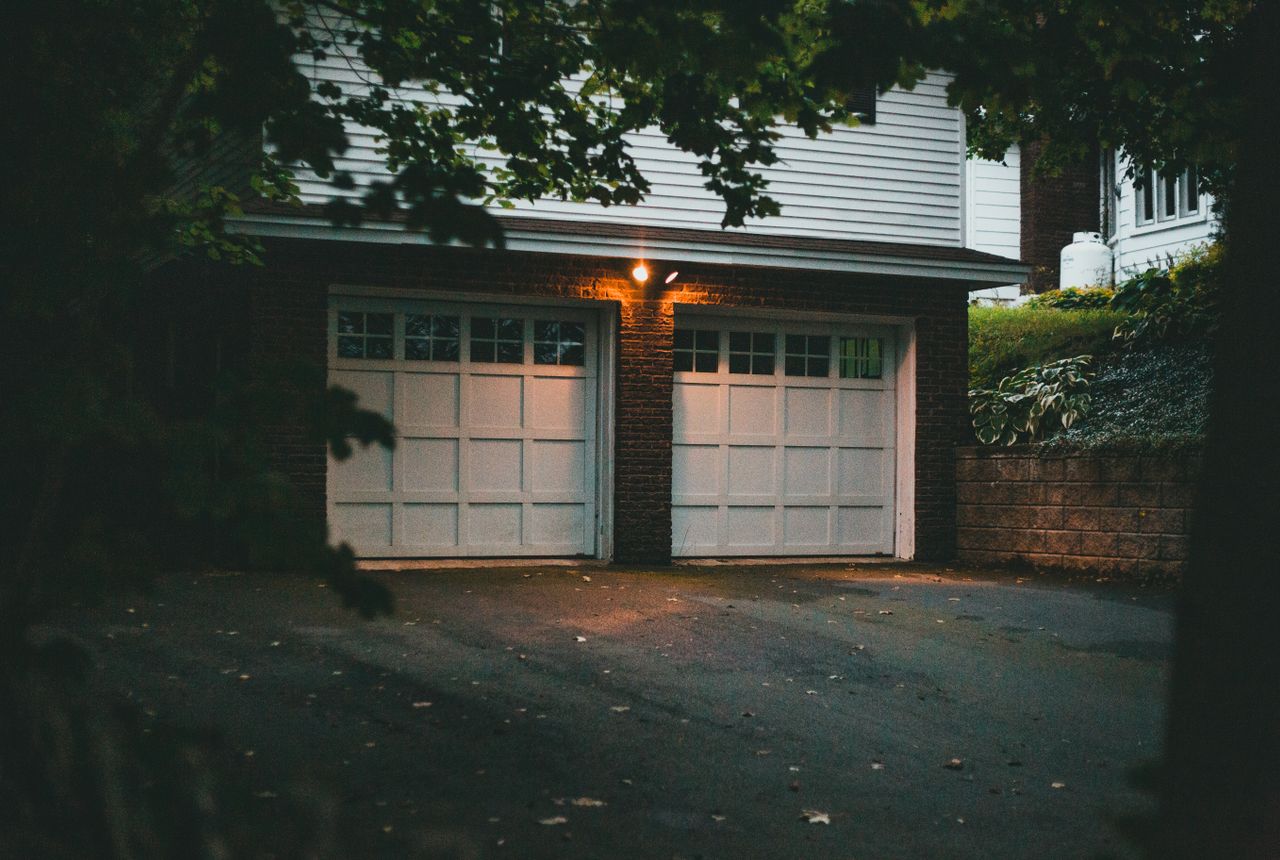
Every automatic garage door in Freehold has had a photo-eye safety sensor mounted a few inches off the slab since federal law required it back in 1993. In a town where the housing stock runs from 1938 to 2005, with a median build year sitting around 1966, most of those sensors were never part of the original construction. They got added later, screwed into framing and slab edges that were already decades old by the time the retrofit happened. That mismatch is the root of most sensor complaints we run into. The bracket wasn't poured with the slab; it's fastened to wood or block that has been moving on its own timeline for fifty-plus years. Add a climate the federal data classes as cold and severe, and you get slab heave and jamb shrinkage working against a bracket that was never built to flex. The result is a door that reverses for no visible reason, or won't close at all, even though the sensor itself is doing exactly what it's supposed to do.
Look for the two small boxes mounted roughly six inches above the floor on either side of the track - one usually has an LED, the other doesn't. Wave your hand between them while the door is closing; if the door keeps going, the sensors aren't seeing each other, or aren't seeing each other cleanly. Check that both boxes sit at the same height. On a lot of Freehold houses, where the bracket got added well after the slab was poured, the two sides are rarely still level after decades of settling. Wipe the lenses - a film of dust or a stray cobweb across the eye reads the same as true misalignment. Check the low-voltage wire running to each sensor for pinches or corrosion where it runs along a block wall; a cold-climate house sees more condensation cycling at those connections than a mild-climate one would. If the LED is on but flickering rather than solid, the wire is usually the problem, not the eye. One honest limit here: if that wiring is buried inside a finished wall, it's not a five-minute fix, and it may need an electrician working alongside the door job.
Most homeowners troubleshoot the opener first - a new logic board, a new remote - before they ever check the sensors. In a Freehold house built anywhere near that 1966 median, the opener has often been swapped out once already, but the original sensor brackets, screwed into 1960s-era jamb wood, are usually still the same ones. People assume a lit LED means alignment is fine, but a sensor can power on and still sit a quarter-inch off true, which is enough for the door to reverse intermittently on cold mornings after the slab has contracted overnight. The other common mistake is cranking down the bracket screw to stop a wobble. On wood that's dried out over half a century, that just strips the hole, and the bracket ends up looser than before. We'd rather reset a bracket into fresh wood putty than sell a new sensor that isn't actually bad. Swapping electronics doesn't fix a mechanical alignment problem - it just adds a part to the bill without solving anything.
Freehold's climate band is classed cold and severe, which means real freeze-thaw cycling on the slab and footings every winter, not an occasional cold snap. That cycle is slow but constant - concrete expands and contracts, wood jambs swell and dry, and a sensor bracket screwed into either one drifts a little more each year it goes unchecked. Because so much of the local stock dates to the 1960s and 70s, spread across the named areas from East Freehold to Yorketown and out toward Colts Neck, this isn't a one-house quirk. It's a pattern tied directly to when and how these garages were framed. A house built in 2005 on a modern poured footing behaves differently than one built in 1966 on an older slab, even if they're only a few miles apart. That's why we check bracket seating and slab condition before we touch the sensor itself - on the older end of Freehold's housing stock, the actual fix is almost always in the mount, not the part.
Freehold sits in a cold, severe climate band, which means the slab under your garage goes through real freeze-thaw cycling each winter. That movement shifts sensor brackets a fraction at a time, and on a morning after a hard freeze the misalignment can be just enough to make the door reverse when it shouldn't.
Almost always alignment, not new sensors. A photo-eye can power on and light up while still sitting a quarter-inch off true. In houses built around the 1966 local median, the original retrofit brackets are often still in place and have simply drifted with the wood or slab around them.
Yes, in most cases. Loosen the bracket screw, level the two eyes to the same height, and retighten into solid wood or a fresh anchor if the old hole is stripped. If the low-voltage wire is buried in a finished wall, that part of the job is past a simple bracket fix.
Generally yes. Houses near the 1966 median build year had sensors added after the original framing went in, onto wood and slab edges that have had decades to move. Newer builds on modern footings tend to hold alignment longer, though every house eventually needs a check.
Call now or request a free quote - same-day service on most repairs, upfront written pricing.
