Freehold, NJ · Garage Door Service
Freehold homes built between 1938 and 2005 split fairly evenly between detached and attached garages, and that split changes what goes wrong with the door and when.
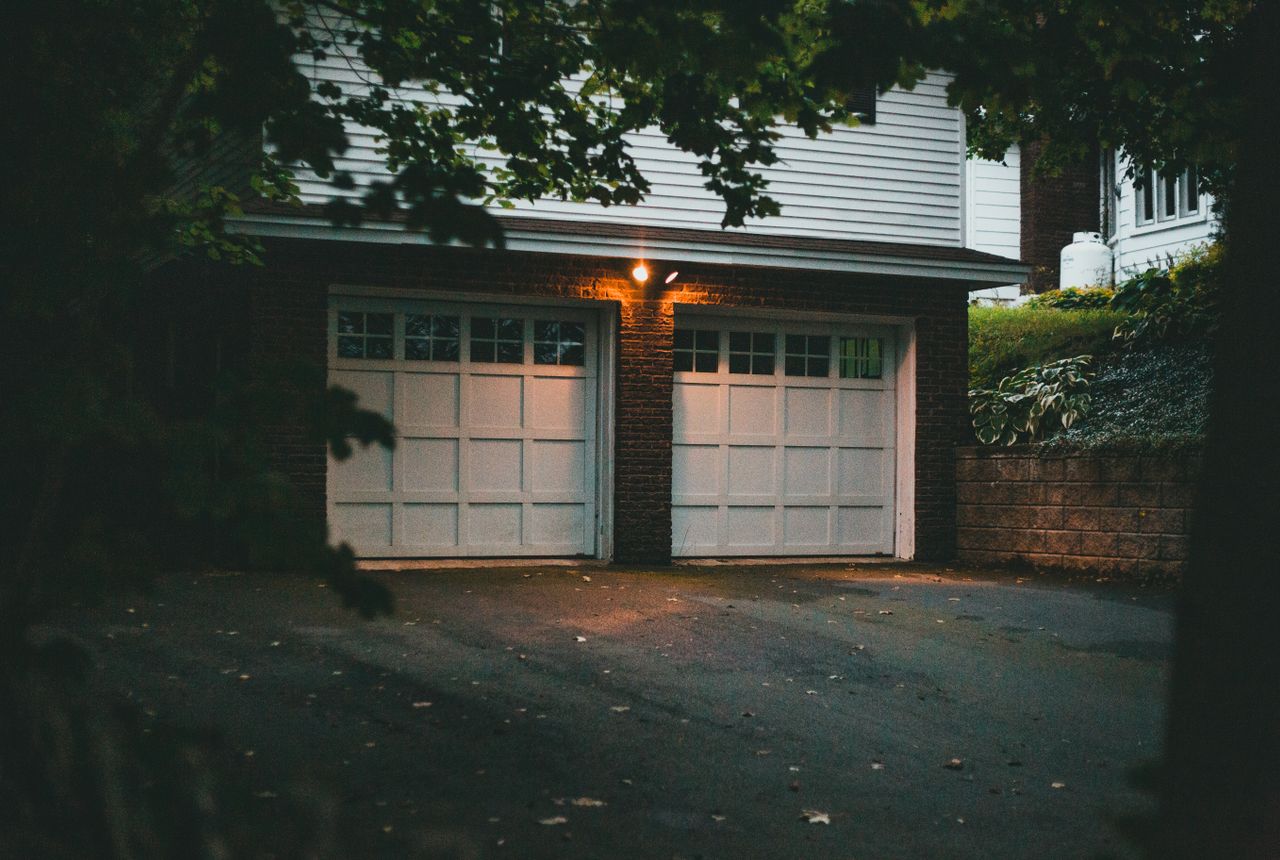
Freehold's housing stock runs from 1938 up through 2005, with the median build year sitting around 1966. That range matters because detached garages were still common on the older end of it, especially on the streets built before the 1970s wave of attached-garage colonials and split-levels that make up most of the local stock. A detached garage on an older lot usually sits on its own slab, often with less insulation and a thinner header than what you'd find on an attached garage built into the house frame. That means the door itself takes more of the structural load and more of the weather. On an attached garage, the door shares a wall with living space, so movement in the house - settling, a shifted foundation, a header that's flexed over fifty-plus years - shows up in the door before anyone notices it anywhere else. Two different failure patterns, same town, and a lot of the advice you'll read online doesn't separate them.
Walk out and look at how your garage sits relative to the house. If it's a separate structure, check the header above the door opening for daylight gaps or gaps that have opened up at the corners - detached structures from the 1950s and 60s move independently of the house and the door frame takes the strain. If your garage is attached, put your hand flat on the wall shared with the house on a cold morning. A section that's noticeably colder than the rest of the wall usually means the garage isn't insulated to the same standard as the living space next to it, which is common in homes built before the 2000s here. Either way, open and close the door by hand with the opener disconnected. It should move smoothly and stay wherever you let go. If it drops or shoots up, the springs are compensating for something else - a bent track, a sagging panel, or in a detached structure, a header that's no longer square.
People treat a detached garage door and an attached one like the same repair, and they aren't. On a detached structure, especially the older ones scattered through the pre-1970s parts of town, the door often has to fight gravity and wind on its own with no house structure backing it up - a worn cable or a weak spring shows up faster and fails harder. On an attached garage, the common mistake is assuming a hard-closing or uneven door is a spring problem when it's actually the house itself settling and pulling the frame slightly out of square, which is more likely the older the house is. We also see people over-insulate or over-seal a detached garage door thinking it'll fix drafts, when the real gap is where the old header meets the framing. One limitation worth saying plainly: if a header or frame has shifted enough to rack the door, replacing the door alone won't fix it - that's a carpentry problem first, and we'll tell you that instead of selling you a door that won't sit right anyway.
Freehold sits in a cold-severe climate band, which means real freeze-thaw cycling every winter. On a detached garage, that cycling works on the slab and the header from outside on every face, since there's no house buffering it - cracks and gaps widen faster than they would on a wall shielded by the rest of the home. On an attached garage, the same freeze-thaw works on the shared wall and the slab tie-in, and because that wall is next to living space, a gap there costs you heat, not just garage comfort. Given the median build year of 1966, a lot of these structures have gone through roughly sixty winters of that cycle, whichever configuration they are. The practical difference: weatherstripping and bottom seals matter more on a detached door because it's exposed on more sides, while track and hardware wear from house movement matters more on an attached one. Knowing which kind of garage you have tells you which problem to watch for first.
Yes. A detached garage door in Freehold takes weather and structural load on its own, so springs and cables tend to wear from that exposure. An attached door is more affected by the house settling around it, since it shares a frame with the home. The symptoms can look similar but the cause is different, which changes the fix.
A detached structure has no living space buffering it from Freehold's cold-severe winters, and older ones built before modern code often have thinner headers and less sealing at the frame. The door itself isn't necessarily the problem - the gap is usually where the frame meets aging framing that's moved over the decades.
It can be, but on houses from the 1960s and 70s era common in Freehold, it's also often the house settling slightly and pulling the door frame out of square. If the door binds in the same spot every time rather than feeling generally heavy, have someone check the frame before replacing springs.
Call now or request a free quote - same-day service on most repairs, upfront written pricing.
