Freehold, NJ · Garage Door Service
Freehold homes built mostly in the 1960s and 70s fight cold-climate draughts through worn garage door seals. Here's how to check yours and what to fix first.
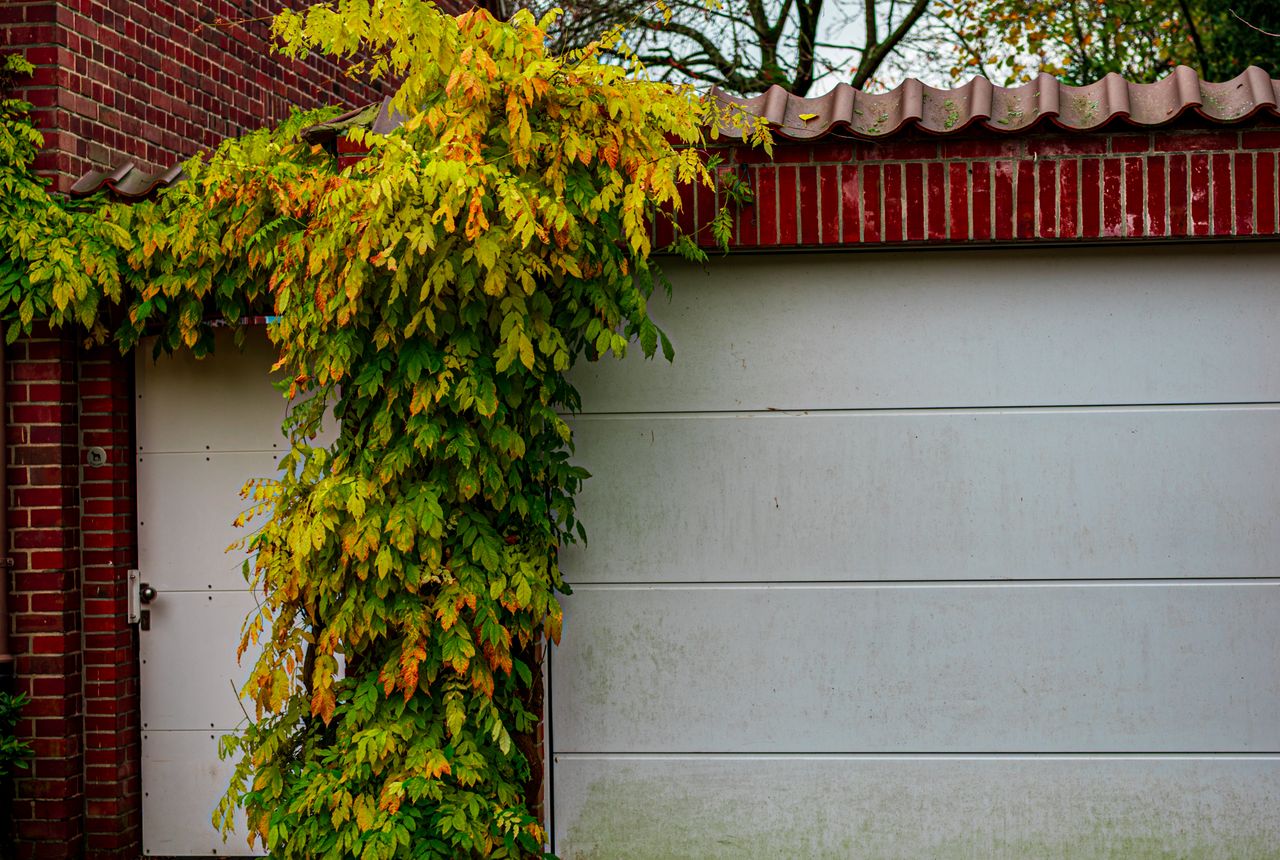
Most houses around Freehold went up between 1938 and 2005, with the bulk of that stock dating from the 1960s and 70s. Doors and door frames from that era were built to a lower standard than what ships today, and the rubber or vinyl seals on the bottom and sides have had fifty-plus years of freeze-thaw cycles to harden, crack, or pull loose entirely. In a cold-band climate like ours, a gap you can't even see becomes a draft you can feel standing six feet inside the garage.
The usual complaint isn't a door that won't open. It's a garage that stays five to ten degrees colder than it should, a slab that sweats in January, or a laundry room next to the garage that never warms up. That's not a broken door - it's a door doing exactly what a 1966-vintage door does after decades of exposure to hard winters. The seal has given up before the hardware has.
Owners often assume the opener or the springs are the problem because those are the parts that make noise. Seals fail silently. Nobody notices a quarter-inch gap under the door until the heating bill shows up or ice starts forming along the threshold.
Wait for a cold night and turn off the garage lights. Stand inside and look at the bottom edge of the closed door. If you can see daylight or streetlight along the threshold in more than one spot, the bottom seal has lost its shape - common on doors installed when this area's housing stock was going up in the 60s and 70s, since the original astragal seals weren't rated for the freeze-thaw swings we get here.
Run your hand along the side jambs and the top header seal too. On a lot of the older Freehold-area garages, the framing itself has settled slightly over fifty-plus years, so the seal that was flush at installation is now sitting a quarter-inch off the slab on one side. That gap doesn't show up as light, it shows up as a cold draft you feel at ankle height.
Check the seal material itself - press your thumbnail into it. If it's stiff and doesn't spring back, it's past its working life for our climate band. Rubber that's held up fine in a mild climate can still fail early here, given how many freeze-thaw cycles a severe-cold winter puts it through.
One honest limitation: a visual check tells you there's a problem, not always which one. A door that's out of square from age can look like a seal problem and actually be a track or hinge issue underneath.
The most common mistake is buying a universal bottom seal off a shelf and jamming it into the old track without checking the track width first. Garage doors built in the 1960s and 70s - which describes a lot of what's still standing around Freehold - often used track dimensions that don't match current standard stock. It goes in, looks fine, and then shrinks or pulls out of the track the first hard freeze.
The second mistake is treating the seal as the whole fix. On a lot of the older housing stock in this area, the seal is failing because the slab has settled or the door panel itself has bowed slightly with age - sealing over a structural gap just slows the draft, it doesn't stop it. If your door is closer to the 1938 end of the build range than the 1966 median, the seal replacement might buy you a season, not a decade.
People also skip the side seals and only replace the bottom one, because that's the part that's visibly worn. In a severe-cold climate, the side and top seals do real work holding heat in, especially on doors that have shifted slightly out of square over the decades. Doing the bottom without the sides is a half fix that still leaves the garage cold.
Our climate band is classed as severe cold, which means the freeze-thaw stress on rubber, vinyl, and the metal track it sits against is harder here than in a milder region. Seal material that would last fifteen years somewhere temperate can crack in half that time under repeated hard freezes, and that's exactly the kind of wear pattern we see on doors that match the area's median build year of 1966.
Because so much of the housing here dates to that same postwar-through-70s window, a lot of these garages share the same weak points: original track spacing, settled slabs, and seals that were never upgraded past what came with the house. That combination means a draft problem in one Freehold garage is often the same draft problem two streets over, just at a slightly different stage of wear.
The practical upshot is that sealing a garage door here isn't a cosmetic fix - it's load-bearing for your heating bill every winter. A door that's draft-free in October can still develop a gap by February once the cold sets in and the seal material contracts. If your garage backs onto a heated space, that seasonal shrink is worth checking before the worst of winter, not after.
There's no fixed number I can give without seeing the door, but seals here take more punishment than in a mild climate because of the freeze-thaw cycling. If your house dates to the 1960s or 70s like most of the area, and the seal hasn't been replaced, it's worth a physical check every winter rather than waiting for a visible gap.
Bottom seal replacement is a reasonable DIY job if you measure your track width first, since a lot of older local doors don't match current standard stock. Side and top seals and anything involving a settled slab or bowed panel is worth having a second set of eyes on before you buy parts.
Seal material hardens and shrinks with age, and in a severe-cold climate band that happens faster than people expect. If your house is part of the area's typical 1960s-70s stock, the original seals have had decades of hard winters to work against them.
Call now or request a free quote - same-day service on most repairs, upfront written pricing.
